

What is refund fraud? How to protect your business
Millions of people return items every week for one reason or another. Mostly because an item:
- Didn’t meet expectations
- Had a defect
- Malfunctioned
- Was no longer needed
This isn’t an exhaustive list of why you — or any customer — may return an item, but what’s important to note is that they are legitimate reasons for returning an item.
In a legitimate return, the retailer receives the unmanipulated item back from the customer, and, in turn, the customer gets their money back from the merchant.
Returns are an expected part of the retail experience. They’re so central to the retail experience that the total returns rate as a percentage of sales for 2023 was 14.5%, or $743 billion in merchandise, according to the 2023 Consumer Returns in the Retail Industry.
But unfortunately, wherever there’s money, so are fraudsters. Refund fraud occurs when a customer receives a refund they aren’t entitled to.
Return fraud and refund fraud: related but not the same
Return fraud occurs when fraudsters exploit return policies. Of the $743 billion of returns last year, nearly 14% of them were fraudulent creating a $101 billion problem for ecommerce merchants.
Refund fraud is another term that encompasses several types of activities in which someone aims to receive a refund or reimbursement without returning an item.
The most common refund fraud tactics
Through social engineering, refund fraudsters manipulate the systems that are responsible for processing returns and refunds. In refund fraud, that’s usually the merchant’s customer service representatives.
Items-not-received (INR) and did-not-arrive (DNA)
The most common refund fraud methods are item-not-received (INR) and did-not-arrive (DNA). These are both a type of refund fraud where a customer falsely claims they didn’t receive an item they ordered even when they did. They then try to get a full/partial refund or replacement by claiming the item wasn’t delivered. This is one of the more popular scams because bad actors don’t have to return an item to make this claim.
Merchants have a hard time verifying the legitimacy of INR claims because they lack systems, tools, and processes to verify instances of INR abuse. Fifty-five percent of respondents in Riskified’s Policy Abuse and Its Impact on Merchants Global Benchmark said they aren’t satisfied with the amount of data they have to help them act on INR abuse.
Fake tracking ID (FTID): FTID fraud involves altering the return postage label and then returning an empty or junk-filled package instead of the item for which the refund was requested. The common denominator to all FTID methods: tracking systems must show the package as delivered to the returns center. To accomplish this, fraudsters typically alter the label on the junk package to remove any information linking the package to the customer. This causes the return center to throw out the junk package, prevents them from tying it to the bad actor, and ensures delivery tracking shows the package was delivered, entitling the customer to a refund.
Empty box fraud: This type of fraud entails returning empty boxes or boxes filled with paper, rocks, or cheaper items instead of the original merchandise. Abusers are counting on getting the refund when the package is scanned and shipped (before reaching the merchant).
When you take into account the true cost of return fraud, 67% of retailers report they recover less than half the total value of a returned item.
Is refund abuse hurting your CX?
You don’t have to choose between protecting margins and delighting good customers.
Get the guideA headache for ecommerce merchants
In a Riskified study, 94% of merchants report they incurred significant costs from item-not-received fraud, just one of the many tactics used by refund fraudsters.
The financial impact of refund fraud adds up to a mountain of losses. Ecommerce merchants end up paying out refunds even when, in many cases, they don’t receive the returned item. Not to mention the excess workload on customer service teams who must manage the claims and spend an arduous amount of time and resources investigating them. Among the 300 merchants interviewed by Riskified and WBR Insights, about 74% said it takes them three days or more to process claims.
In an effort to control the exorbitant costs of refund fraud draining profitability, many ecommerce merchants are tightening their return policies to end free returns: USA Today reports that “about 40% of retailers are charging return fees this year.”
Refund fraud prevention in action
An athletic sneakers and apparel retailer knew customers were filing false “lost in transit” claims but struggled to identify which claims were legitimate. Its manual review of claims was inefficient, unscalable, and missing most of the scams.
When the merchant submitted all “lost in transit” (or INR) claims to Riskified for automated decisioning (approve, decline, or review), it prevented four times more abuse scams, resulting in $600K in abuse prevented each year and 12% of refunds saved.
It pays to be vigilant
While refund fraud is a cost of doing business, you can also minimize its impact with awareness of the problem and deploying proven fraud prevention strategies to create a barrier of defense.
Frequently asked questions
How is refund fraud different from return fraud?
Return fraud involves exploiting return policies, while refund fraud specifically refers to tactics aimed at receiving a refund or reimbursement without returning an item at all.
What are the most common refund fraud tactics?
The most common tactics include item-not-received (INR) fraud, fake tracking ID (FTID) fraud, and empty box fraud, all of which involve deceiving merchants into issuing refunds without receiving the original merchandise back.
How much does refund fraud cost ecommerce merchants?
In a Riskified study, 94% of merchants reported significant costs from item-not-received fraud alone, and 67% of retailers recover less than half the total value of a returned item.
Why is INR fraud difficult for merchants to detect?
Merchants often lack the systems, tools, and processes needed to verify INR claims, and 55% of merchants surveyed by Riskified said they are not satisfied with the data available to help them act on INR abuse.
How can automated decisioning help prevent refund fraud?
One athletic sneakers and apparel retailer using Riskified’s automated decisioning for lost-in-transit claims prevented four times more abuse scams, saving $600K in abuse annually and recovering 12% of refunds.

Discover how consumers are taking advantage of your policies and what steps you can take to stop them.
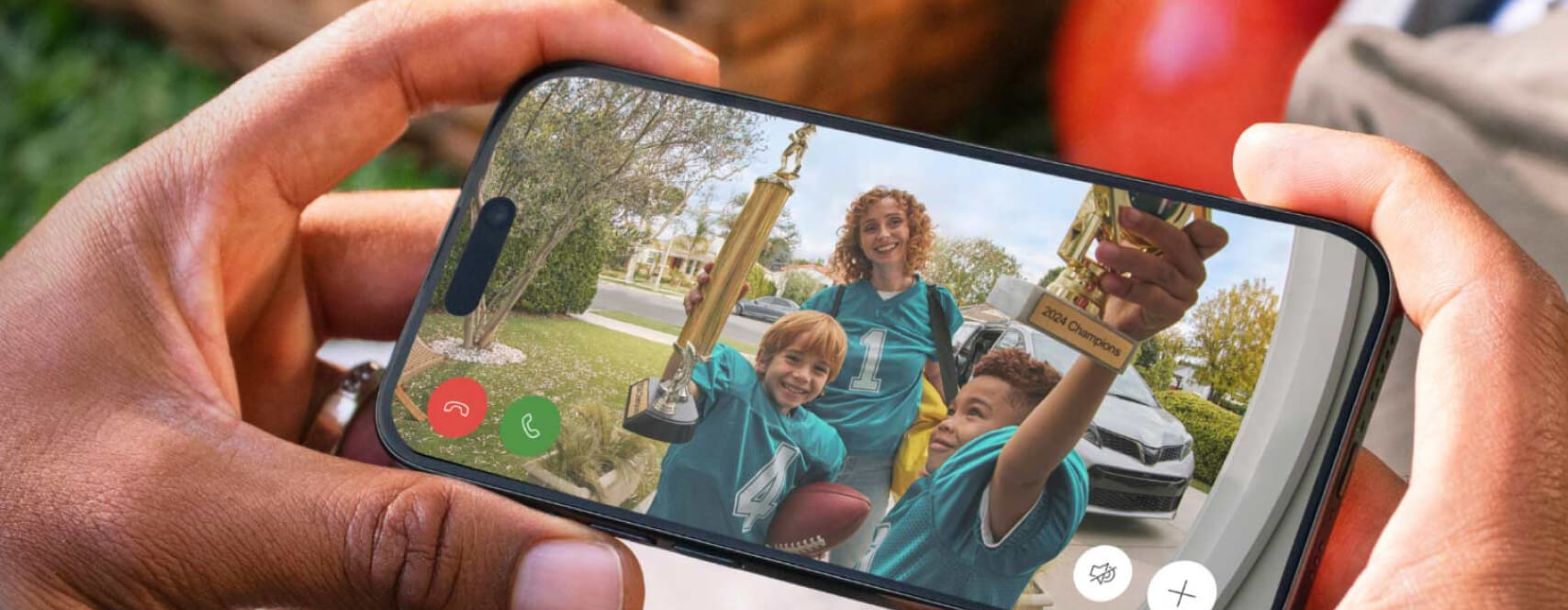
By integrating Riskified via the Shopify App Store, Ring declines $4M+ in abuse returns that would otherwise have represented pure loss.

Return and refund abuse costs merchants over $25 billion yearly. Before you blame fraudsters – much of it is carried out by legitimate, paying customers.
